
Day 1: DEPARTURE -ARRIVAL DELHI
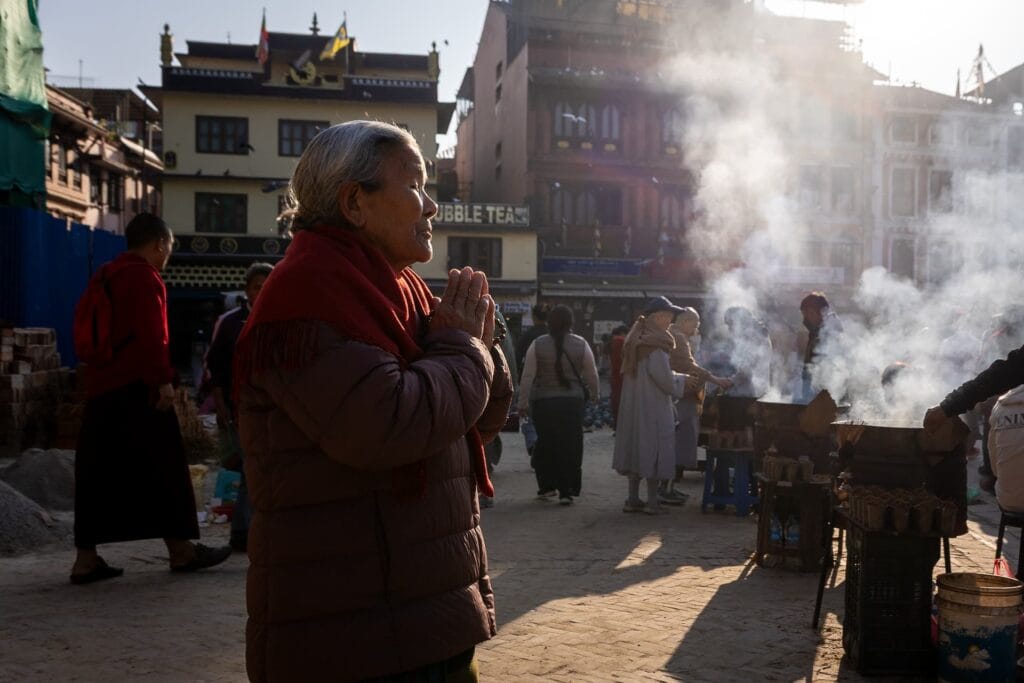
Your India group tour starts today. You fly to Delhi, where you arrive at the end of the evening or the next morning (time depending on the airline you fly with). You have a transfer to your hotel which is located near a lively market area.
Day 2: DELHI IN & AROUND DELHI
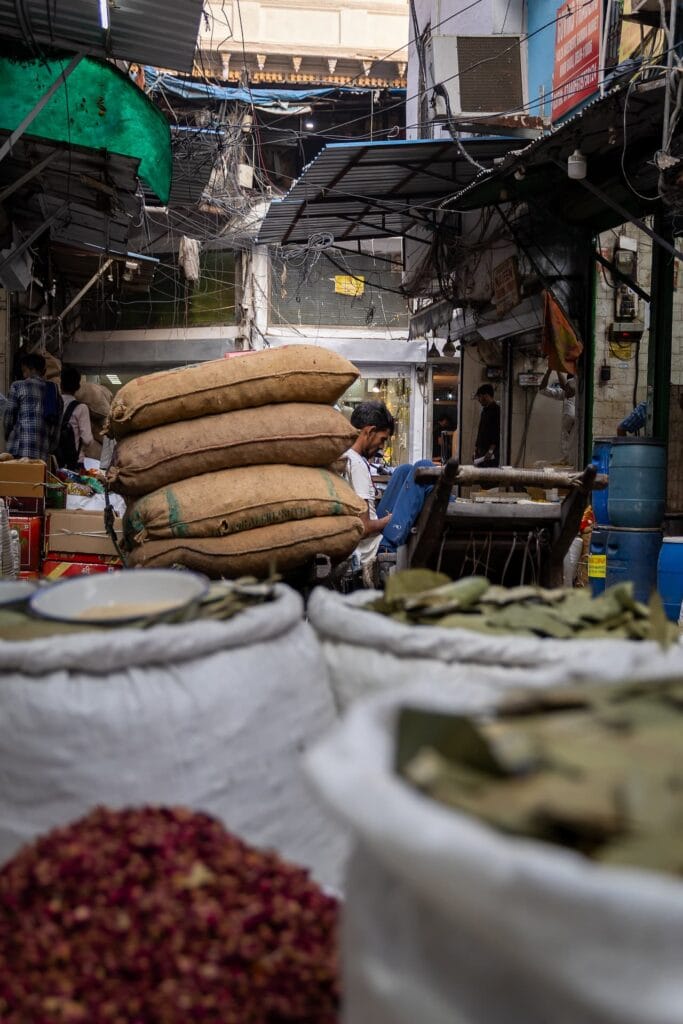
Free day in Delhi. You will begin the group tour of Rajasthan in India’s chaotic capital, Delhi. The history of this city goes back at east three thousand years. Delhi consists of two parts, between which the contrast is enormous. New Delhi is spacious with long, wide, straight streets, pavilions and parks. It is a city that almost seems empty compared to the old part. Old Delhi is a colorful oriental anthill full of alleys, temples and mosques. Here you will find the Red Fort and the Jama Masjid, the largest and most beautiful mosque in the country. Around both boroughs, Delhi spreads for miles in all directions.
Day 3: DELHI – JAIPUR
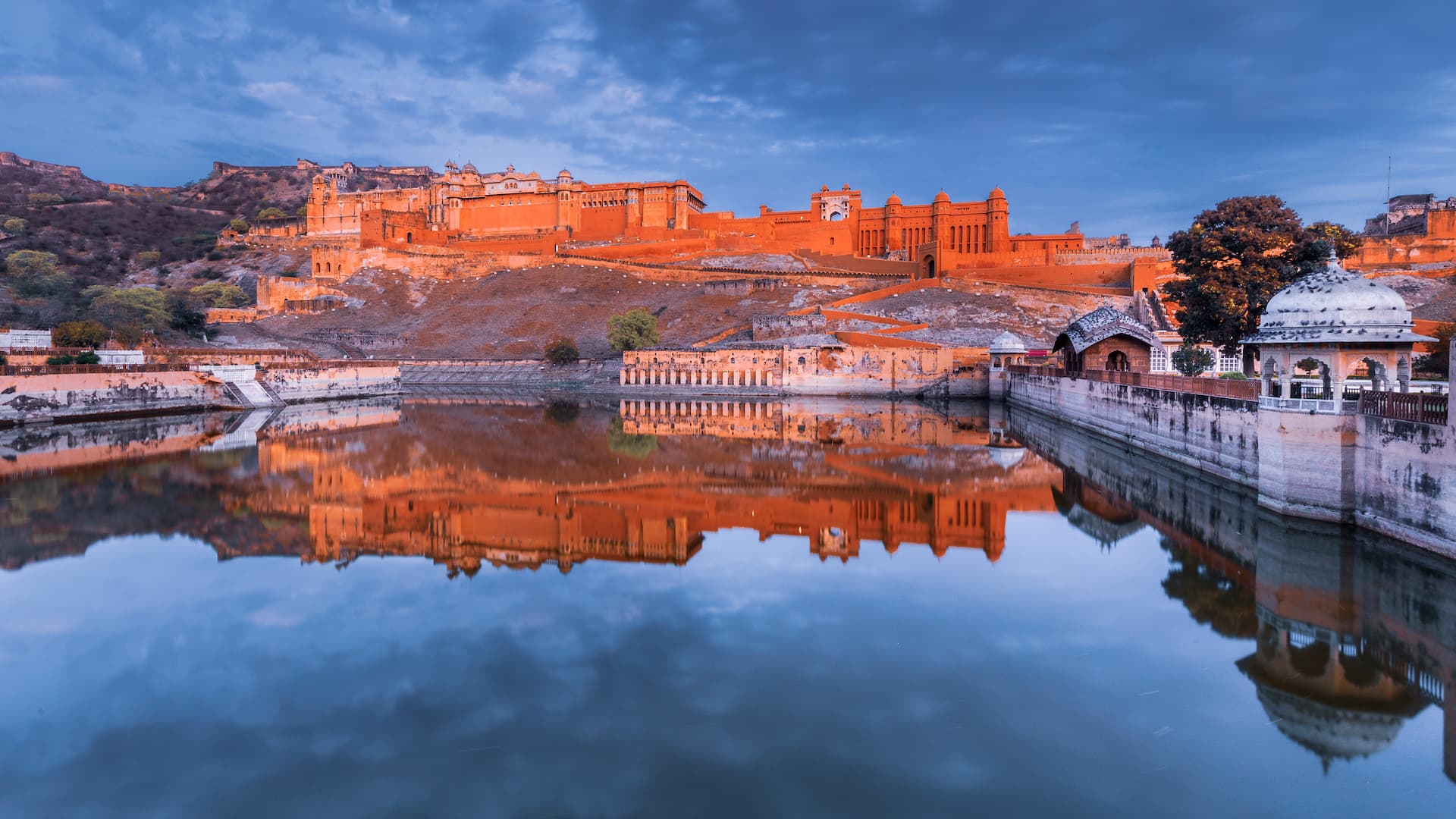
You will stay for 3 nights in the ‘Pink City’ of Jaipur. Explore at your leisure the North of the city that is surrounded by hills dotted with forts and palaces. One of the most elegant of which is the Hawa Mahal (Wind Palace). Roam the bustling streets filled with Rajasthani men, in their huge turbans and equally large moustaches, and women, decked in jewellery over the most colourful saris in India. You can also visit the famous Amber Fort standing at the top of a hill surrounded in all directions by other hills, uponwhich smaller fortifications are also built. There are many marble statues and mosaics to admire up here and the views from the top are simply stunning.
Day 4: JAIPUR (DAY CITY TOUR)
Jaipur The Pink City is partially encircled by a crenellated, battle-scarred wall, and the major gates of Chandpol, Ajmer and Sanganeri have been carefully restored. The entire city is a feat of town planning; the Old City is still loosely divided into traditional artisans’ quarters. In the evening you can enjoy one of Jaipur’s specialties. In northern India, people like spicy food and Dal Batti, Churma, Mawa Kachori, Ghewar and Mirchi Bada are their favourite regional dishes.
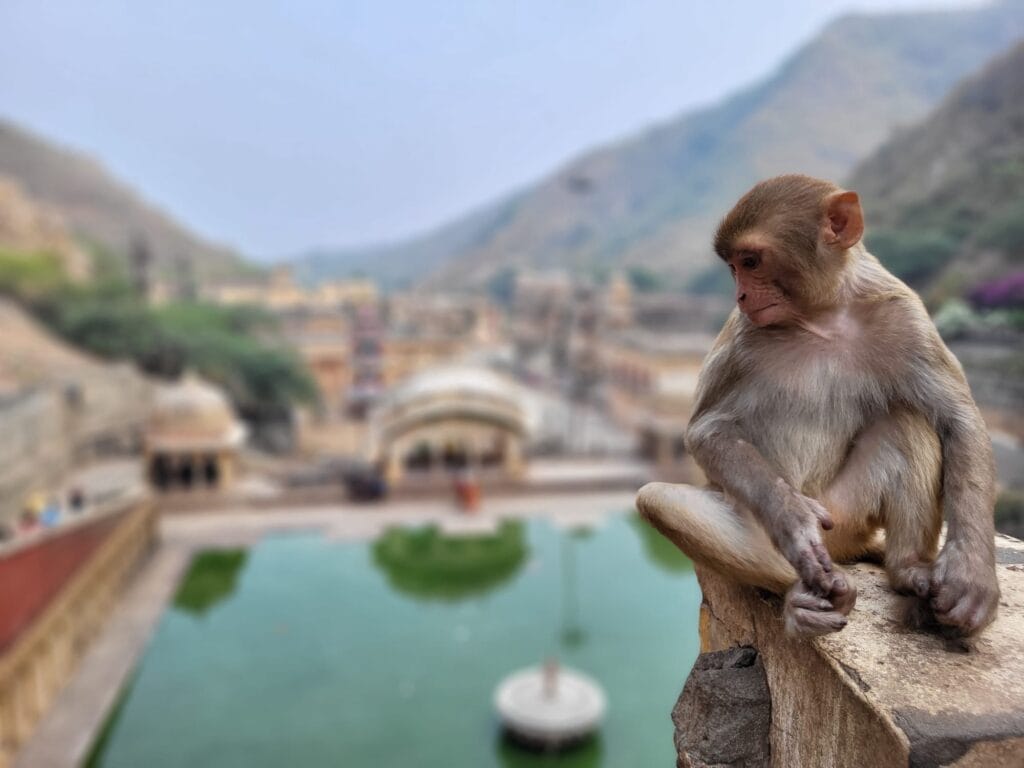
Day 5: JAIPUR (MONKEY TEMPLE)
Our final day in Jaipur where we can take the time to explore the monkey temple (Galtha ji) and any palaces or forts we have yet to discover or free time.
Day 6: JAIPUR – RANTHAMBORE NATIONAL PARK
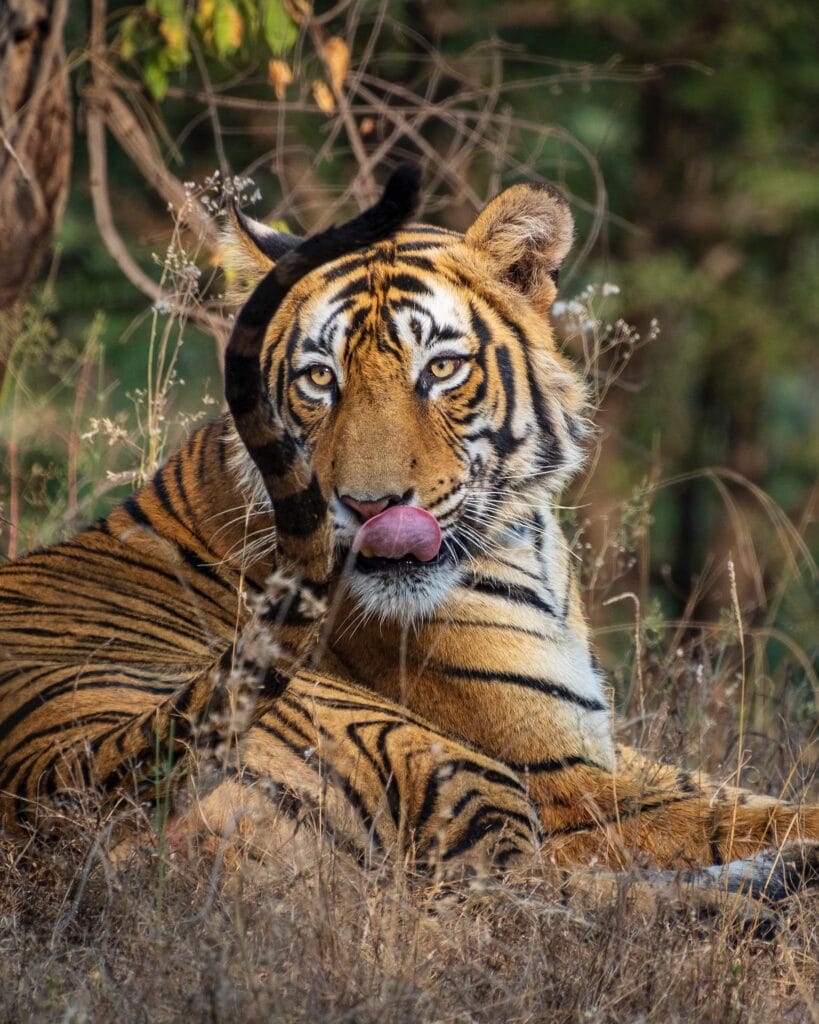
In the morning, we set off for the Ranthambore National Park, a renowned wildlife sanctuary nestled in the heart of Rajasthan. Known for its majestic Bengal tigers and picturesque landscapese. Upon arrival, we’ll have some time to settle in and enjoy the serene surroundings. In the afternoon, embark on an tiger safari, exploring the park’s diverse flora and fauna. With a bit of luck, we may spot the elusive Bengal tiger in its natural habitat, along with other wildlife such as leopards, sloth bears, and various species of deer and birds.
Day 7: RANTHAMBORE NATIONAL PARK
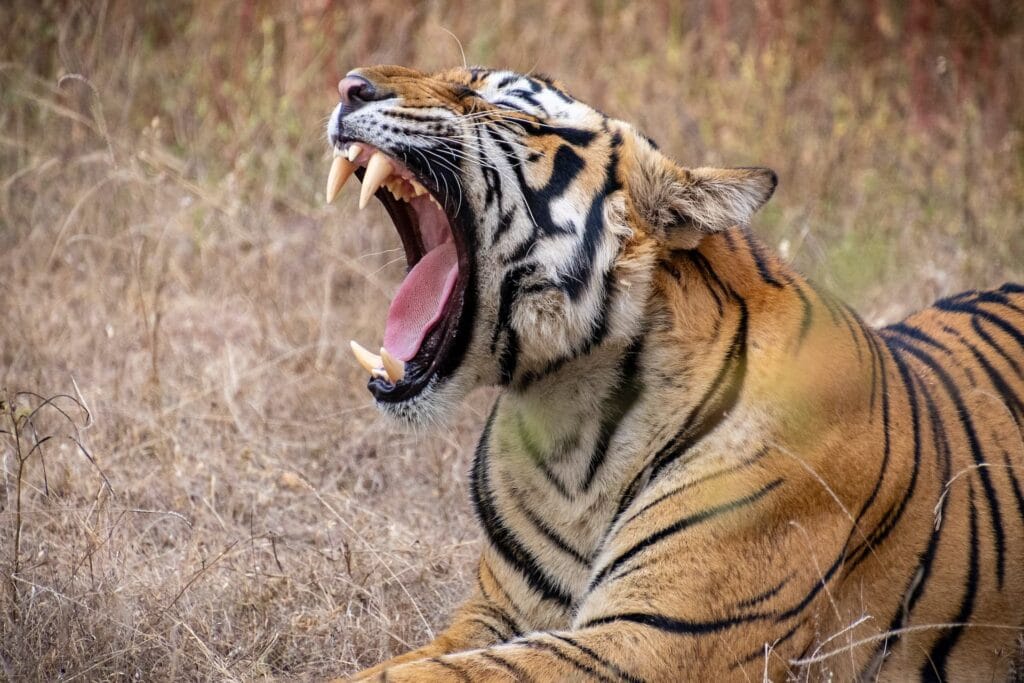
The day begins early with a morning safari in Ranthambore National Park. After breakfast, we set off at 7:00 AM in shared transport. Until 11:30 AM, we’ll explore the park’s landscapes, keeping an eye out for its incredible array of wildlife.
In the afternoon, another safari awaits. At 2:00 PM, we venture back into the park, exploring different areas until 6:00 PM. This afternoon excursion offers the opportunity to observe wildlife in the soft light of the late day, capturing a completely different perspective of the park’s beauty. With two safaris in one day, this will be a great opportunity for capturing the wilderness of Ranthambore.
Day 8: RANTHAMBORE TO AGRA
On the morning of Day 8, we board the train to Agra at 11:00 AM, to one of India’s most iconic cities. By the afternoon, we arrive in Agra, the historic home of the world-famous Taj Mahal. After settling in, we make our way to the Taj Mahal just in time to witness the breathtaking sunset behind this monument.
Day 9: AGRA TO VARANASI (TAJ MAHAL)
Today you have the whole day to discover Agra. This city is famous for the Taj Mahal, which Emperor Shah Jahan had built out of love for his deceased wife. The Red Fort and the bazaars also deserve a visit. In the evening you board the night train and travel to Varanasi, the holiest city in this immense country. train journey of approximately 10 hours with second class air-conditioned carriage. A train journey through India is an experience in itself.
Day 10: VARANASI (GANGA ARTI)
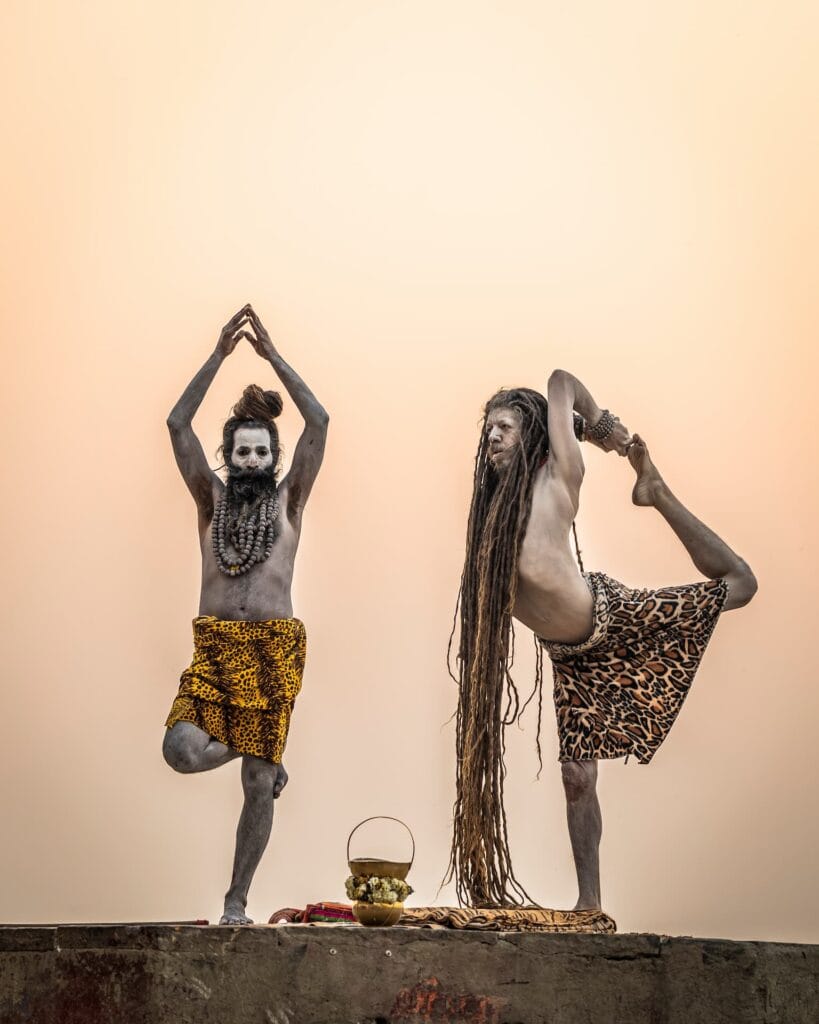
According to legend Varanasi is the holiest city in India and the oldest city in the world. It is also known as Benares or Kashi and is the city of Shiva, the most powerful of the Hindu gods. Outside the centre, countless narrow alleys and streets lead to the very soul of India, Mother Ganges. In this sacred river, thousands of people wash their sins away every day, the ashes of the dead are scattered and leaves carrying candles float by as offerings to the river. The Ganges itself has left its mark on the buildings and ghats through flooding and it has also undermined building foundations throughout the centuries, which have simply been restored with infinite patience. A boat trip along the river is highly memorable, especially at sunrise. Please note that during monsoon season in India (especially in August) the water level of the Ganges is high and thus the flow is dangerous. For this reason, it is prohibited under Indian law to sail on the Ganges. This information is subject to change.
Day 11: VARANASI (EARLY MORNING BOAT RIDE)
You should also visit Sarnath, a holy Buddhist site where Buddha founded his eightfold path to nirvana. Another interesting attraction is the Archaeological Museum which contains an exquisite collection of Buddhist and Hindu art. The monasteries and temples here are also very attractive, built by Buddhist pilgrims coming from many different countries. The Chinese, Japanese and Tibetan temples are especially worth visiting.
Day 12: VARANASI – LUMBINI
We leave India today and after a long bus ride, we cross the border into Nepal to Lumbini. Once part of India and famous for being the Buddha’s birthplace, we will stay here overnight before travelling on to Chitwan National Park.
Day 13: LUMBINI TO CHITWAN PARK
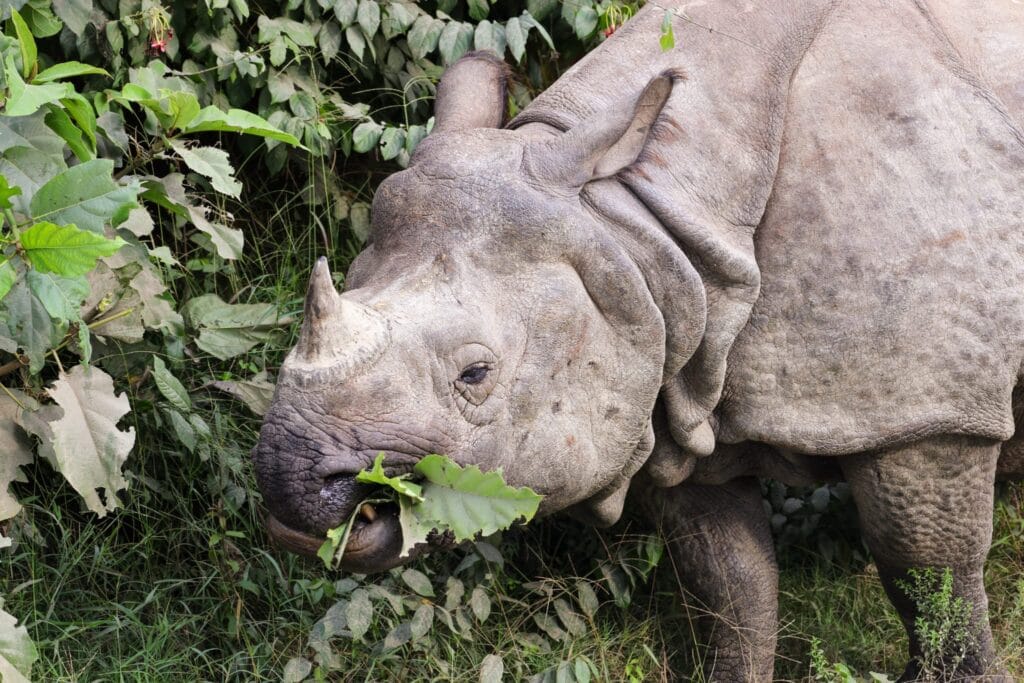
Today we travel to the renowned Chitwan National Park, where you can spot Indian rhinos and other wildlife. Chitwan is the most popular nature reserve in Nepal and is reputed for its vastly varied terrain, its bird life and its Indian rhinos. There are deciduous forests, grassy plains, rivers, lakes and subtropical forests which attract an equally varied array of wildlife including more than 40 different species of mammal. Tigers and panthers are the most intriguing predators, although the chances of spotting them are relatively low you are more likely to spot a powerful Indian rhinoceros, Indian bison, wild oxen and many types of deer. There are also apes, crocodiles, monitor lizards and snakes within the park. You can explore by canoe or on foot.
Day 14: ENJOY WILDLIFE & LOCAL LIFE
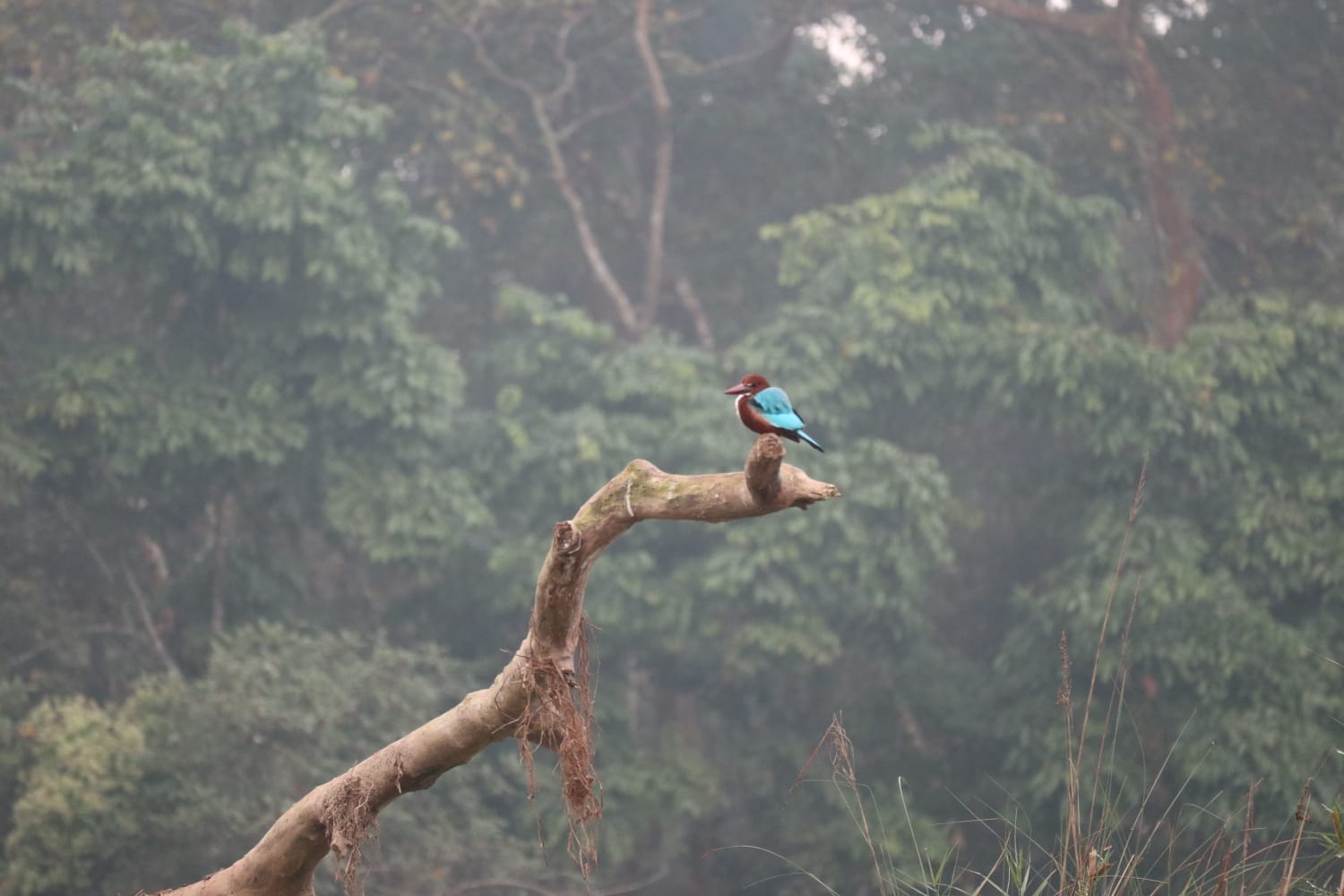
Chitwan National Park Make the most of this second day in the park and try an alternative method of watching the wildlife. Chitwan is a paradise for bird lovers too, with more than 400 different species present. Herons, cranes, storks and numerous species of cormorants and ibis all make their homes here. Hornbills are also in Chitwan but they are rare. If you do get lucky, their loud calls and typical manner of flying will indicate when a couple of them are nearby.
Day 15: CHITWAN – POKHARA
Travelling along winding roads, through the spectacular Himalayas we arrive in Pokhara, set in a sub-tropical valley where the mountains rise straight up to the highest peaks in the world. In the middle of this spectacle of rock, ice and snow is the Machapuchare, the steepest mountain in the Himalayas, which from the side resembles a giant fish tail. No man has ever reached the summit of this mountain though, in the 1950s, a French expedition nearly managed it. But when in sight of victory, the sherpas became intensely fearful of divine revenge should humans reach the summit and they turned back. It is now forbidden to climb the mountain. Once a hippie paradise, Pokhara is situated in a picturesque location on a mountain lake, enjoy the stunning panoramic view of mountains from peace stupa.
Day 16: POKHARA – NAYAPUL – TIKHEDHUNGA
We will begin our day 1 in Pokhara. After your breakfast, our guide will pick you up from your hotel and you will begin your travel. After a scenic ride of around 1.30 hours, we will get to Nayapool, a beautiful settlement area with few restaurants and hotels. From Nayapul crossing several streams and hillocks, we will get to Tikhedhunga(1,495m/4,905ft). Tikhedhunga is a small village on the way to Ghorepani with numbers of traditionally-built tea houses that provide accommodation. In the evening, we will stroll around the local market in Tikhehunga and stay overnight in a well-maintained lodge.
Day 17: TIKHEDHUNGA TO GHOREPANI
Early morning following our breakfast in Tikhedhunga, we will start our trek. We will hike uphill to ulleri and continue to Ghorepani (2850m/9,350ft) which is 13 km away and takes us around 5-6 hours. Today we will walk through the beautiful mustard field, rhododendron, and oak forest. We will also get a chance to explore various protected flora and fauna on the ways. The small beautiful cascades and streams will make our trail more interesting. After hiking for around 1:30 hour, we will get to Ulleri we have a short tea break and after 1-hour hike we will get Banthanti (2200m/7,217ft). Banthanti is a small settlement on the way to Ghorepani inhabited by Gurungs. After steep uphills hike, we will reach Nangthanti(2500m/8,200ft). From Nangthanti, picturesque mountains view can be enjoyed. After hiking for nearly 2 hours from there, we will reach Ghorepani. Ghorepani has a lot to offer. The picturesque settlements, splendid mountains, tea houses, and warm hospitality are its identity. After walking around the village and spending time with villagers, we will stay overnight in a local guest house in Ghorepani.
Day 18: WALK UP POON HILL, GHOREPANI TO TADAPANI
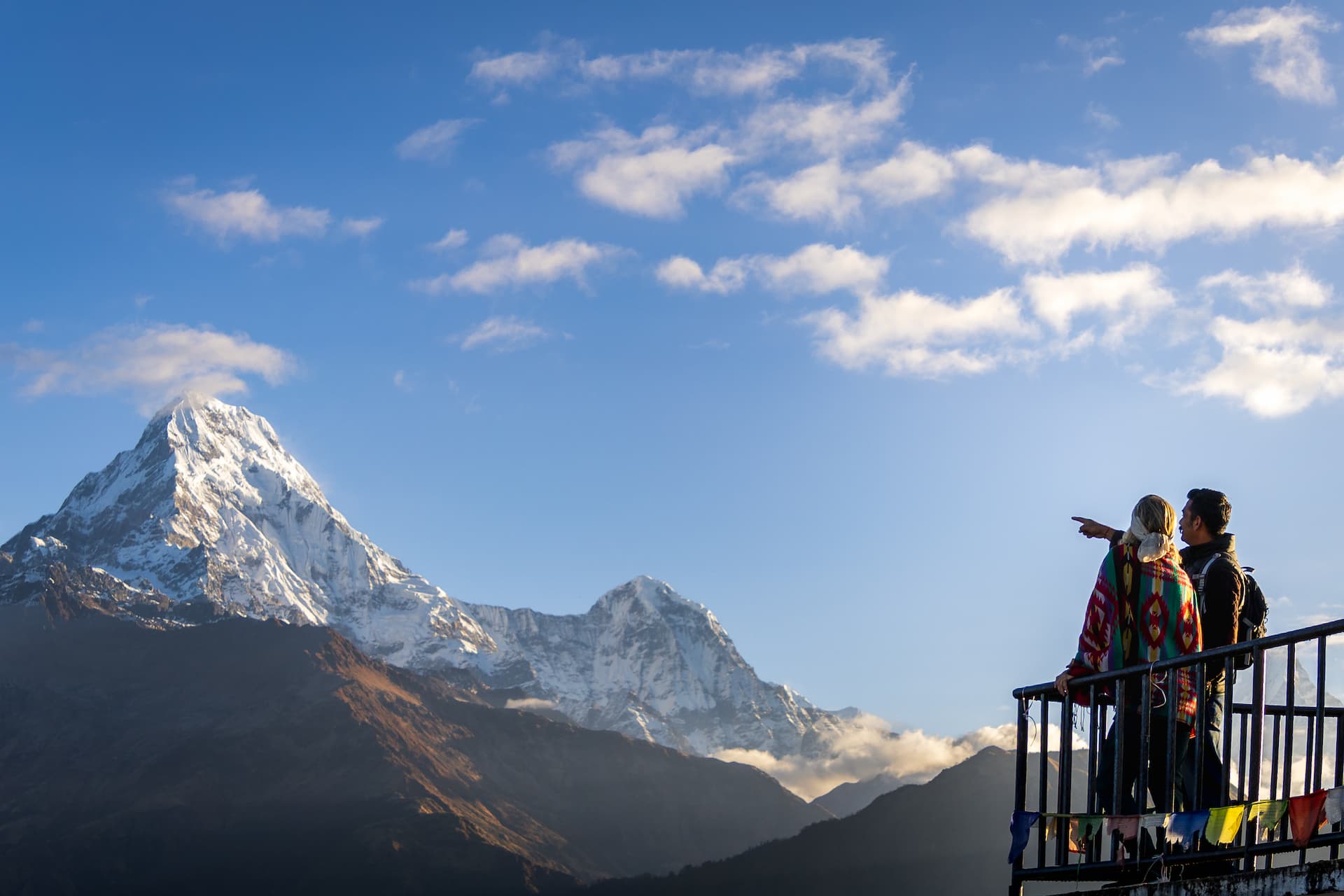
This is our day 3. We will walk to Poon Hill which will take around 45 minutes. We will hike up to top before dawn. From there, we will enjoy the beautiful sunrise. The orangish appearance mountains and sky due to sunrise look so alluring and is worth trekking for 5 days. After spending around 45 min on top, we will descend to Ghorepani. Following our breakfast in Ghorepani, we will pack our bags and hike down to Tadapani(2,630m/8,628ft). Since we are descending, hiking will be a bit easier and we will cover the distance quite fast. The route from Ghorepani to Tadapani is fascinating. We will spot small cascades, different species of birds and beautiful orange orchards on the route. We will also taste oranges from local orchards. After hiking for nearly 4 hours from Ghorepani we will reach Tadapani. In Tadapani we will stay overnight in a local guest house.
Day 19: TADAPANI TO GHANDRUK
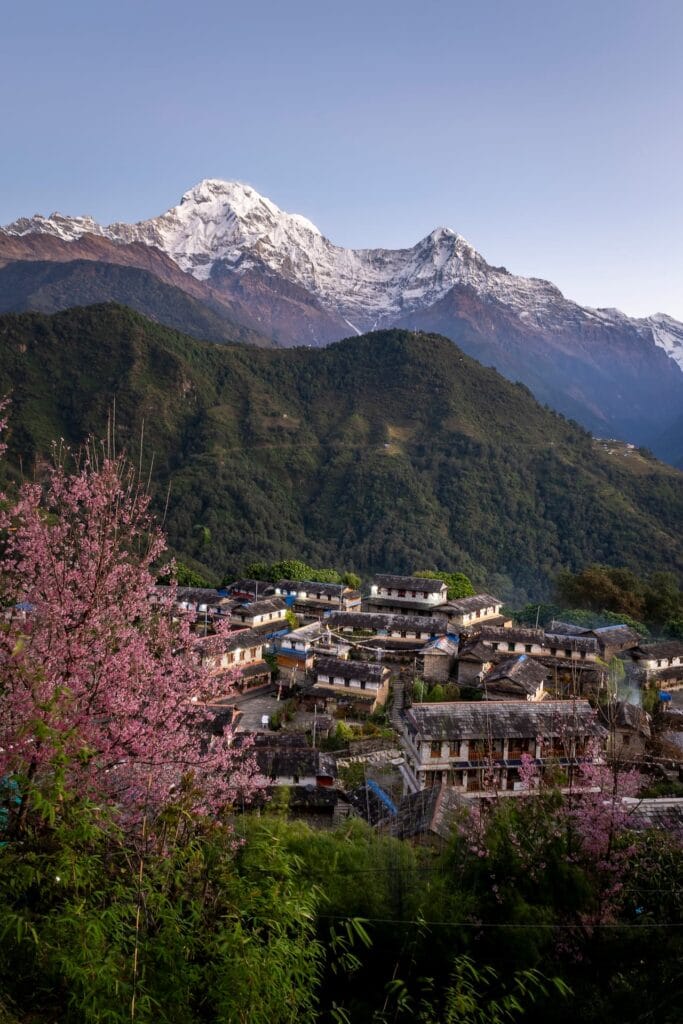
After our breakfast in Tadapani, We will hike towards Ghandruk(2,010m/6,600ft), a beautiful Gurung village located at the northwest of the Pokhara. From Tadapani, we will hike downhills through a scenic route. On the way the views of Machhapuchhre and Annapurna I are fantastic. We will also see mustard fields and orange orchards on the route. The freshly plucked oranges are very tasty; we will try out some. Ghandruk is 6 km away from Tadapani, which we will cover in 3 hours. The mountain views from Ghandruk is amazing. After our arrival in Ghandruk, we will stroll around the village and spend time with locals. We will explore different indigenous technologies like Dhiki, Jato, and Theki that their own significance. We will also have a close encounter with the unique cultures and tradition of Gurungs of Ghandruk. After enjoying the evening with locals, we will spend our night in local guest house in Ghandruk.
Day 20: TREK TO NAYAPUL AND DRIVE POKHARA
This the last day of our trek. Early morning the views from Ghandruk are splendid. Following our breakfast, we will visit the local markets and buy some stuff as a memento of our Poon hill trek. After that we will start our trek journey to Nayapool. The beautiful hills and meadows on the side of roads will make our trek to Nayapool more interesting. We will hire a jeep and drive back to Pokhara via scenic road. After riding on a bus for nearly 1.30 hours we will get to Pokhara. Since we left Ghandruk in the early morning, we will have plenty of day remaining to chill in Pokhara and our memorable 5 days trek to Poon hill will come to an end.
Day 21: IN & AROUND POKHARA
Visit Lakeside, a popular shopping area of Pokhara where you can spend a day or afternoon browsing through the many shops and check out what the street vendors are selling, including several Tibetan refugees selling their handicrafts. If you see an item of interest that’s commonly sold then take up the chance to do a bit of bargaining to see the best price achievable! We also recommend going for a walk to the viewpoint at Sarangkot and then walking back down to the lake through the forests and rice fields. Along the way, you will meet some of the friendly people living in the mountains.
Day 22: POKHARA TO KATHMANDU
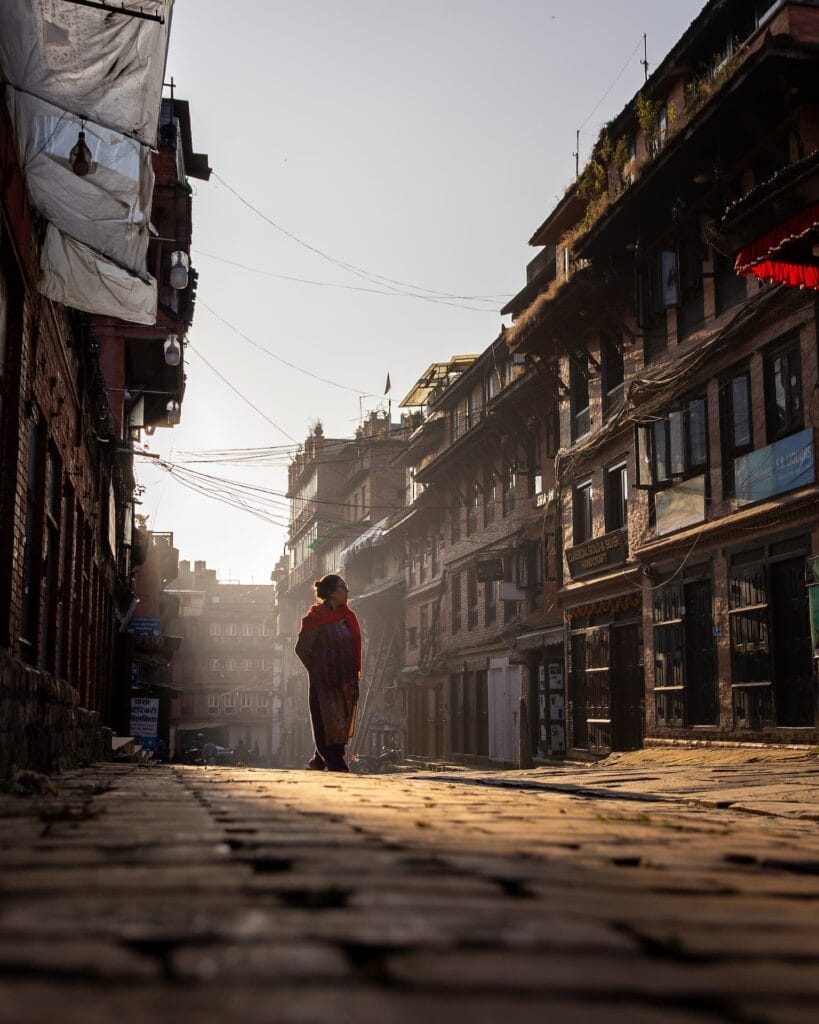
After breakfast drive to Kathmandu. The temples in the Kathmandu Valley were built between the 16th and the 19th century when there was an architectural battle between the three royal cities of Nepal (Kathmandu, Bhaktapur and Patan). Each one wanted to outdo the other. This resulted in the construction of a large number of temples, which you now enjoy.
Day 23: IN & AROUND KATHMANDU
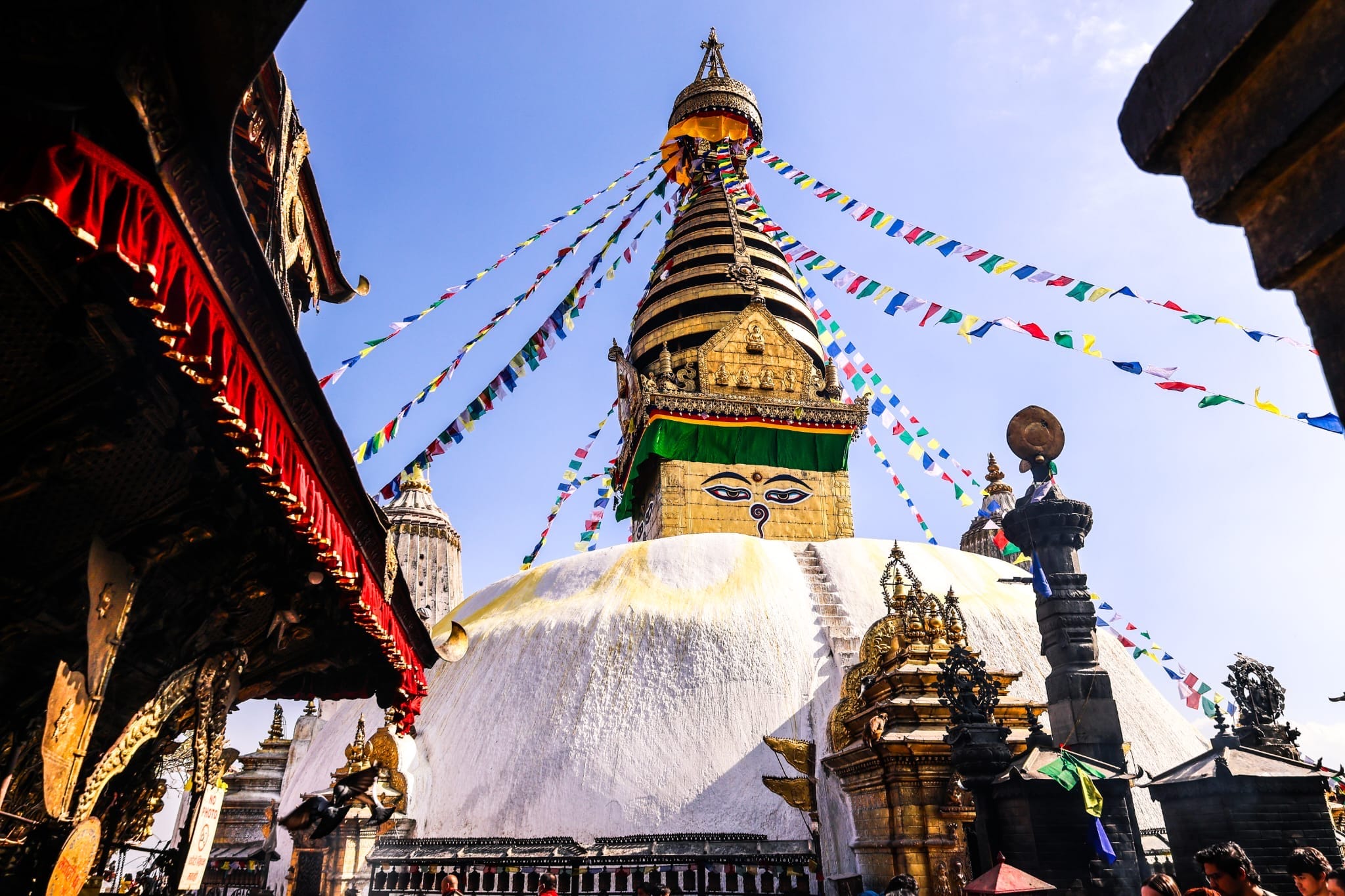
Much of daily life in Kathmandu continues almost as if the 20th century is still to come as the native folk appear as if out of the middle ages, especially in the older part of the city. A mile and a half to the west you will find the large and extremely beautiful stupa (traditional Buddhist monument) of Swayambunath which is worth a visit, if only to see the many monkeys which hang around the area, giving the stupa the nickname ‘Monkey Temple’. An even bigger stupa is situated a little further outside Kathmandu, in Bodnath and on the way we pass Pashupatinath, the sacred Tibetan Hindu site, where Nepalese and Indians bathe in the Bagmati River.
Day 24: KATHMANDU
Enjoy another day in Nepals’ capital city. Kathmandu, despite being quite crowded remains a fascinating city with beautiful temples and ancient buildings that will vie for your attention with a vibrant colourful population, especially in the old town. Some visitors will easily spend a day sitting on the steps of one of the temples in central Durbar Square, where they will simply take in all that goes on around them. This square and the old neighbourhoods to the north and south of it are particularly interesting.
Day 25: KATHMANDU
The last day of your tour. You can use your hotel room in Kathmandu until the check-out time (most times at 12.00 hrs noon). We wish you a comfortable journey home and are sure you will take with you some wonderful memories of India and Nepal.